October 1, 2026
What Happens During Hijama: Your First Session
Almost nobody describes the first ten minutes, and the first ten minutes are the part people are actually nervous about. Everything written about hijama is about what it is and why it matters. Very little of it tells you where to stand when you get out of the car.
So here is the ordinary version, in order.
What happens during hijama
You arrive, you answer questions before anything is opened, you lie down, and cups are placed. The suction comes first and is painless. The scratch that follows is small, shallow and quick. Then more pressure, then it is finished, and you walk back out under your own steam.
That is the shape of it. Now the detail.
Getting there
The practice sits inside the HAWA Fairfax Community Center at Fair Lakes. You go up to the fourth floor and look for Room 401a. It is a community building rather than a medical one, which most people find settles them more than a waiting room ever would - there are other things happening in the building, and nobody in the corridor knows or cares why you are there.
Come a few minutes early rather than exactly on time. Not because anything is rushed, but because arriving out of breath is a poor start to a session you want to be calm in.
Before anything is opened
You sit down and you answer questions.
This is the least interesting part of the visit and it is the part we will not skip. It is screening, not paperwork. What you say here decides whether the session goes ahead at all, how it is done, and where. If you are on medication, if you are pregnant, if you are on your period, if something has changed since last time - this is the moment to say it, and no answer you give will be met with a raised eyebrow.
Sometimes the honest conclusion after those questions is not today. That is not us being difficult. It is the reason we ask before rather than after.
The room itself
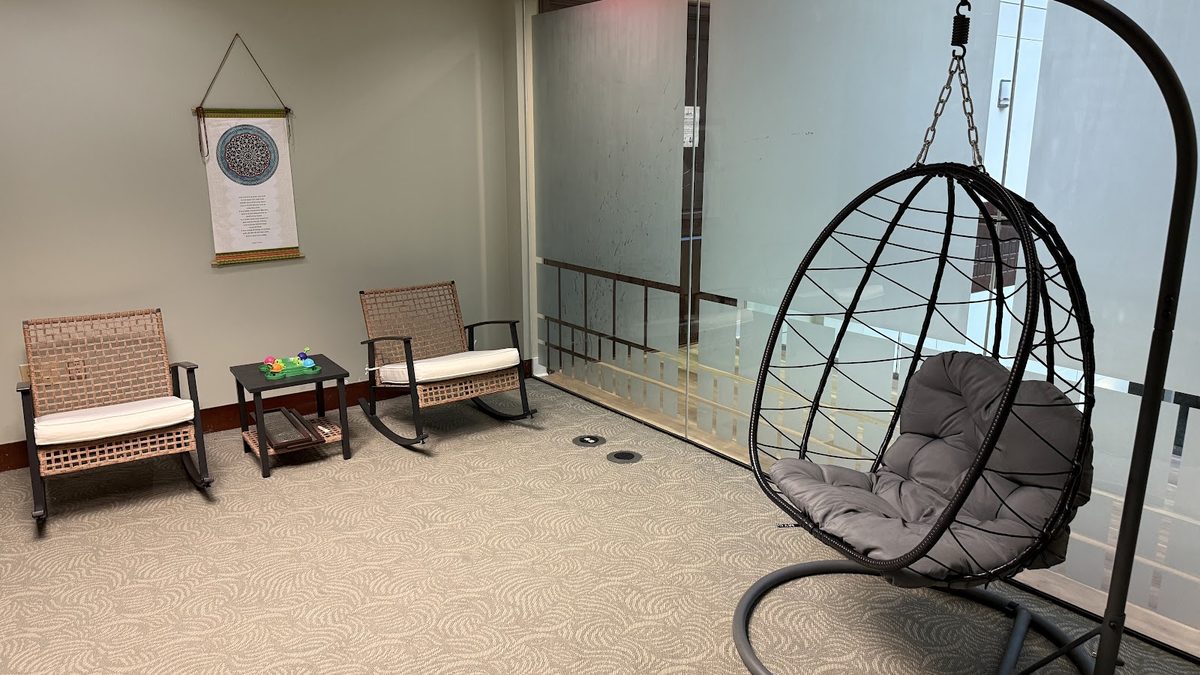
Then the room, which is smaller and plainer than people imagine and is the better for it.
There is a table to lie on. There are windows running floor to ceiling, with trees on the other side of them, so the light is daylight rather than a ceiling panel. There is a wooden trolley beside the table with the cups laid out on it and a sharps container next to them, in plain sight, which is where everything used goes when it is finished with.
One person is in the room at a time. The door is closed and nobody walks through it. That is a small sentence and it answers about a dozen questions people never ask out loud.
The session
The first cup goes on and what you feel is suction - a firm, pulling tightness, a little strange the first time and completely painless. Cups are placed where the session calls for them and left for a few minutes while the skin lifts and goes slightly numb.
Then the cups come off, and on the numbed skin there are small shallow scratches, quick, closer to a cat's than to anything you have been picturing. The cups go back on. The rest of it is pressure, and pressure is not pain.
Then it is over. The spots are covered, the equipment goes into the container beside you, and you sit up. There is a tenderness over the area for a few days afterwards, the way a bruise is tender.
Plan for an hour and a half to two hours, door to door.
Who you will see
Sisters are seen by a woman practitioner. Brothers are seen by a man. Both completed a hijama practitioner diploma course, and each lane has its own windows and its own calendar. Nobody has to ask for this arrangement or explain why they would prefer it; it is simply how the practice is run.
And it is worth saying plainly what the session is. We do not offer hijama as a wellness treatment or a therapy. It is a practice from the Sunnah, kept by Muslims for a long time, offered here to Muslims and done carefully. The reason we describe the room and the trolley and the container in this much detail is not marketing. It is that a person who knows exactly what is coming next walks in calmer, and calm is most of the difference between a good first session and a tense one.
Hijama is a traditional practice and is not a substitute for medical care. Speak to your doctor about anything that concerns you, and tell us at intake.
If the sensation is still the part you are stuck on, read the honest answer on whether hijama hurts. Otherwise both calendars are at hikmahealing.art/appointments.